









There comes a point in painting where control is no longer the goal.
Not because you don’t know what you’re doing — but because you know enough to make space for the material itself.
On this side of the Master Artist Sets, color no longer functions merely as a descriptive tool. It becomes a collaborator. It moves, breaks, granulates, reacts to water and paper. It does not promise predictability. It promises experience.
The artists represented here do not try to “hold” color in place. They observe it. They allow it to speak. And through that process, they create work that is built not on form, but on sensation, texture, and the moment itself.
The Master Sets they sign are not palettes of safety.
They are palettes of exploration.
Jean Haines – Flow, Boldness & Instinct
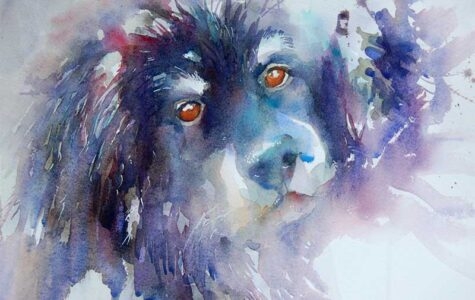
Jean Haines has become synonymous with painting that breathes. Her work is not tightly constructed; it unfolds. Colors run, collide, and merge unpredictably, creating depth through movement rather than detail.
Her palettes feature intense pigments, often with granulation or unusual behavior in water. They are not “comfortable” palettes. They train you to trust the outcome without fully controlling it. For many artists, this is liberating — and at the same time, demanding.
Stella Canfield – Color, Joy & Spontaneity
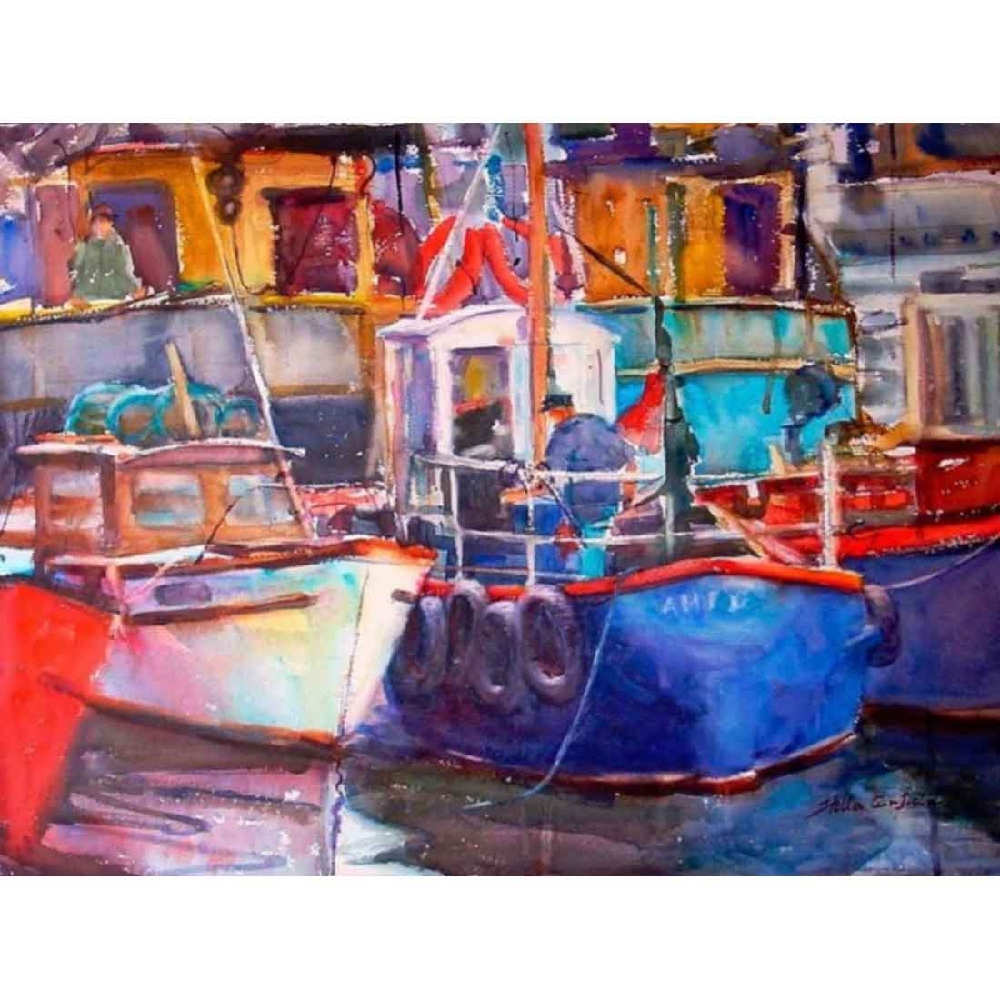
Ιn Stella Canfield’s work, color takes center stage. Bright, clean, alive. Her palettes are unafraid of contrast and uninterested in the idea of the “correct” mix. They allow color to exist with its own personality.
Working with her Master Sets teaches acceptance of the unexpected — and how to integrate it into composition. The joy of the process is not a side effect. It is part of the work itself.
Paul Wang – The Color Laboratory
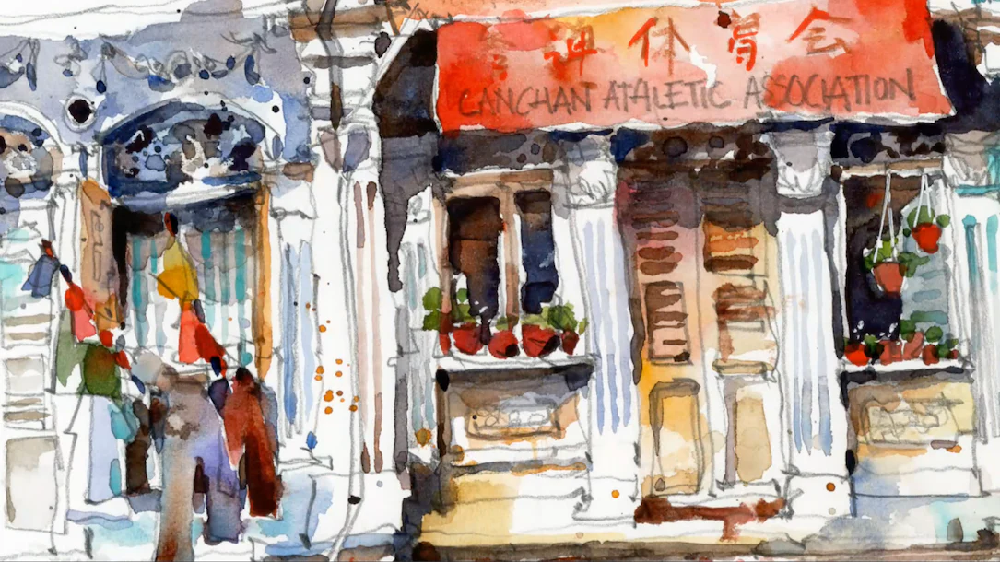
Paul Wang approaches the palette as a laboratory. His colors are selected to push against one another, to interact, to create motion and dramatic transitions. Stillness is not the goal — interaction is.
His Master Sets invite experimentation without fear of failure. They encourage trying, observing, and allowing the result to evolve in front of you.
Jayson Yeoh – Intensity & Atmosphere
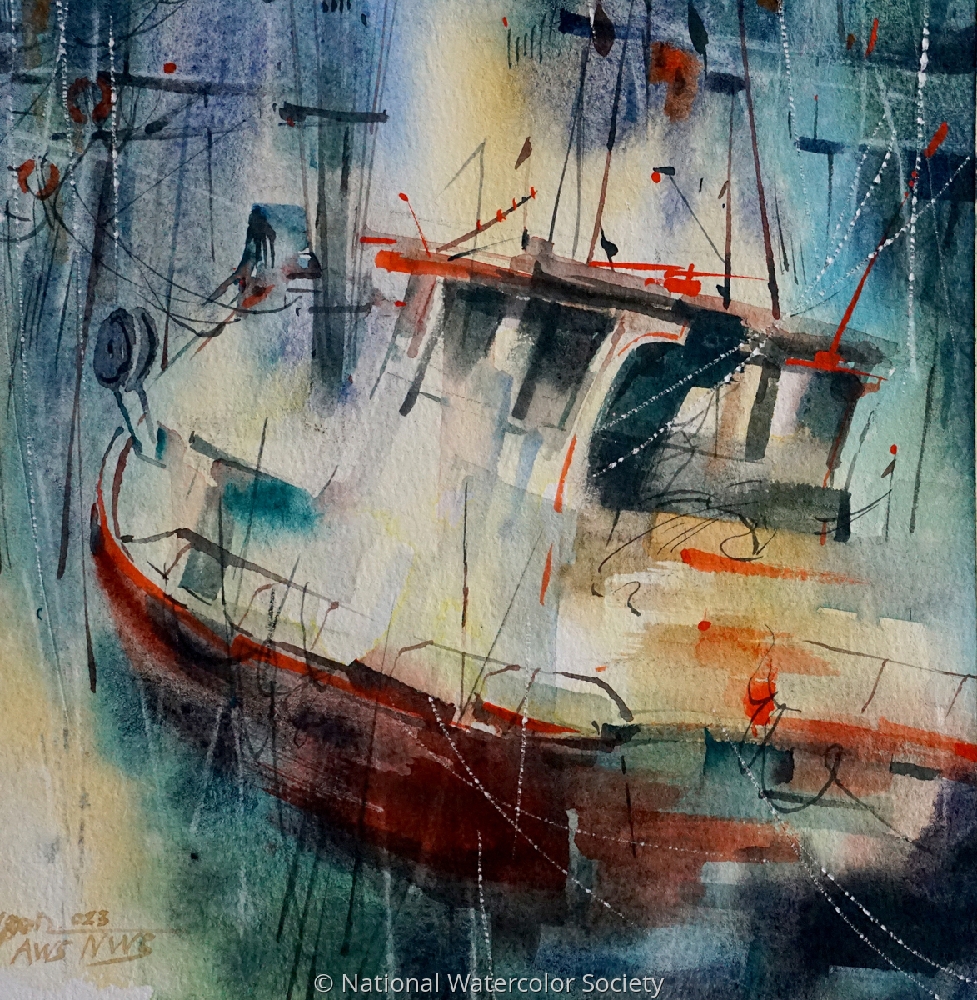
Jayson Yeoh works through contrast. Bright pigments placed against deep, dark tones; clean colors that transform into dramatic, moody mixtures. His palette lives between control and eruption.
His Master Set demonstrates how color alone can create tension and atmosphere — without relying on descriptive detail. Emotion emerges through contrast, not form.
Raffaele Ciccaleni – Chance as a Tool
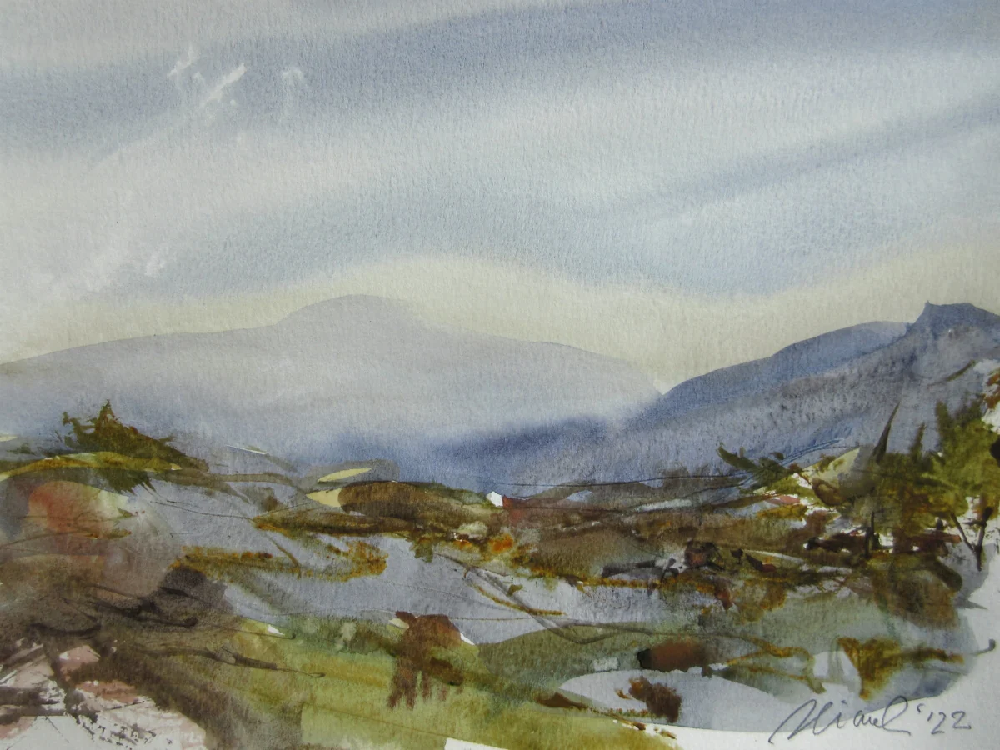
Raffaele Ciccaleni works extensively with strongly granulating pigments and PrimaTek colors to create textures that are never repeated. His work moves between landscape and abstraction — where color no longer describes, but suggests.
His palettes do not promise control. They promise possibility. They ask the artist to collaborate with the material, not dominate it.
What remains
These Master Artist Sets are not for those seeking certainty. They are for those who want to see what happens when color gains a voice. Because the palette is only the foundation. The voice is what makes each work unique.
And that will not change — no matter how many AI-generated images appear, no matter how easily visuals can be produced at the push of a button. Because voice does not live in the outcome. It lives in the process. In the choices of what to keep and what to let go. In the hesitation, the insistence, the change of mind halfway across the paper.
Technology can imitate form, style, even color.
It cannot imitate experience, memory, or intention.
And that is why the palette — no matter how thoughtfully chosen — remains only a beginning. The voice is what turns color into work. And that voice will always be human.
Myrto


